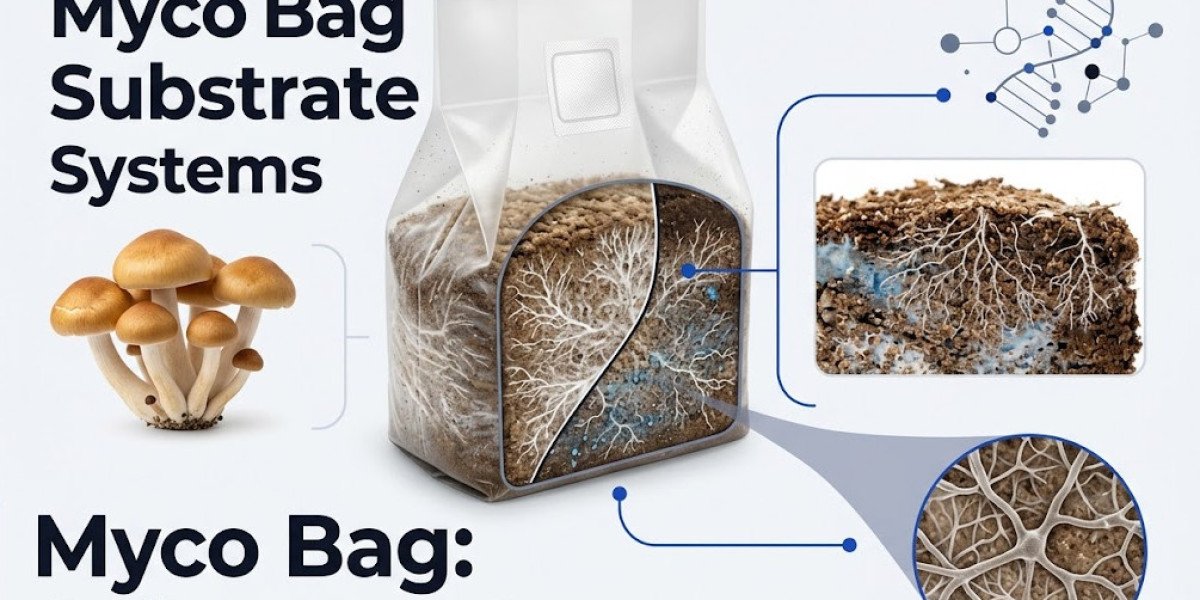

Modern mycology involves understanding the relationship between fungal biology, substrate materials, and the environments in which fungi develop. Prepared growing systems offer an organized way to explore these relationships while reducing some of the initial setup requirements associated with separate materials. The myco bag is an example of an all-in-one growing format that brings key components together in a single system.
Understanding these systems requires more than looking at the bag itself. The substrate, mycelial network, moisture conditions, and environmental surroundings all contribute to fungal development. By examining these elements individually and collectively, readers can gain a clearer understanding of how integrated growing formats relate to the broader principles of fungal biology.
What Is an All-in-One Growing System?
An all-in-one growing system is designed to combine multiple components within a single organized format. Depending on the product, these components may include a prepared substrate and packaging intended to support a particular stage of fungal development.
Understanding the Basic Structure
The bag provides a container for the growing medium, while the substrate serves as the material associated with nutrient availability and physical support. Some products are prepared for specific developmental stages, whereas others may require additional preparation according to the manufacturer's instructions.
The purpose of an integrated format is to simplify how the components are organized. However, individual products differ in their composition, preparation status, and intended applications. Reviewing product specifications is therefore essential before assuming that all bags function in the same way.
Why Integrated Formats Matter
Combining components can make a growing system easier to organize, store, and evaluate. It can also help readers understand how the container and substrate work together as parts of a larger biological environment.
Nevertheless, an integrated design does not remove the biological requirements of fungi. Appropriate environmental conditions, product-specific guidance, and attention to contamination remain important considerations in understanding fungal development.
Understanding Substrate Structure and Composition
Substrate is a central component of many fungal growing systems. It provides the physical material through which fungal networks may develop and access available nutrients. Its characteristics depend on the ingredients used, their proportions, and the preparation methods involved.
Physical Characteristics of Substrates
A substrate's structure can influence its ability to retain moisture, maintain air spaces, and provide a suitable physical environment for fungal growth. Texture, density, and water distribution are among the properties that can affect how a substrate behaves.
Different fungal species and growing systems may require different substrate characteristics. Consequently, a material suitable for one application may not be appropriate for another. Product descriptions and manufacturer guidance help clarify the intended use of a particular formulation.
Nutrient Availability and Biological Processes
Fungi obtain nutrients from their surroundings through biological processes involving their hyphae. The availability of suitable nutrients influences fungal metabolism and development, while the physical structure of the substrate affects how the organism interacts with its environment.
Substrate composition should therefore be considered alongside moisture, temperature, and other environmental variables. No single material characteristic explains every aspect of fungal development; the overall growing environment involves several interacting factors.
Mycelium and Its Relationship with the Substrate
Mycelium consists of interconnected, thread-like structures called hyphae. These structures form a major part of a fungus and play important roles in nutrient absorption and the colonization of suitable materials.
How Mycelial Networks Develop
Hyphae extend through available spaces and interact with surrounding materials. As these structures form interconnected networks, they create the mycelium that supports many fungal biological processes.
Mycelial appearance and distribution can vary depending on the organism, substrate composition, and environmental conditions. Differences in visible growth should not automatically be interpreted as evidence of genetic superiority or a particular biological identity.
Environmental Influences on Mycelium
Moisture availability, temperature, oxygen exchange, and substrate characteristics can all influence fungal development. Their effects vary among organisms and growing systems, making it important to consider the complete environmental context rather than a single factor.
Observing these relationships can help readers understand why fungal research considers both biological characteristics and environmental conditions when evaluating development.
Exploring Ready-to-Fruit Mushroom Formats
Prepared growing products are available in different formats, each with its own composition and intended purpose. Understanding the terminology used to describe these products can help readers distinguish between prepared substrates, fruiting-stage systems, and other cultivation materials.
Prepared Systems and Their Intended Use
The term ready to fruit mushrooms is associated with products designed around a prepared format intended to support the fruiting stage. The exact preparation and components depend on the specific product.
These systems illustrate how product design can organize materials for a particular application. However, the term should not be treated as a guarantee of identical contents or performance across different products. Reviewing the product description and following the supplied instructions remain important.
Comparing Substrate Blocks and Other Formats
Substrate blocks and bag-based systems can differ in their dimensions, packaging, composition, and handling requirements. The appropriate format depends on the intended application and the specifications of the product being considered.
The phrase ready to fruit mushroom blocks bulk describes a bulk-oriented purchasing concept involving prepared mushroom blocks. Customers should verify quantities, packaging, substrate details, and product availability rather than relying on terminology alone.
Comparing these features can help buyers make more informed decisions about storage, organization, and compatibility with their intended use.
Ready-to-Grow Bags and Organized Growing Materials
Bag-based systems provide a contained format for holding substrate and, depending on the product, other prepared components. Their design can make materials easier to handle and organize, although individual systems differ considerably.
Features of Bag-Based Formats
Ready to grow mushroom bags describes a category of bag-based products associated with mushroom-growing systems. Depending on the product, a bag may contain prepared substrate or require additional materials before it can be used for its intended purpose.
Customers should examine the preparation status, substrate composition, packaging, and instructions provided by the manufacturer. These details help clarify what the product includes and whether it matches the requirements of the intended application.
Product Selection and Practical Considerations
When comparing growing supplies, it is useful to evaluate product specifications, storage recommendations, packaging integrity, and the level of preparation required. These factors are more informative than the product name alone.
Organized supplies can simplify the management of materials, but convenience should not be confused with guaranteed biological outcomes. Fungal development continues to depend on the interaction between the organism, its substrate, and the surrounding environment.
Golden Teacher and the Study of Fungal Characteristics
Named mushroom varieties are often discussed in relation to their visible characteristics and broader biological context. However, common names alone do not establish an organism's complete genetic identity or scientific classification.
Understanding Biological Variation
The golden teacher name is associated with a recognizable mushroom variety frequently discussed in mycology-related contexts. Exploring its characteristics can introduce broader questions about fungal variation, morphology, and the distinction between visible traits and genetic information.
Fungal characteristics can be influenced by both hereditary factors and environmental conditions. Reliable identification and genetic conclusions require appropriate evidence rather than appearance alone.
The Importance of Scientific Context
Mycology uses observation, microscopy, genetic analysis, and documented research to investigate fungal structure and diversity. These methods help distinguish established findings from assumptions based on product descriptions or visual similarities.
Considering these scientific principles alongside growing-system design provides a more complete understanding of how fungal biology relates to prepared substrates and integrated formats.
Conclusion
All-in-one growing systems bring together packaging and substrate materials in an organized format, making them useful examples for exploring the practical side of mycology. Their structure highlights the relationship between physical materials, mycelial networks, and environmental conditions.
Understanding substrate composition, fungal development, and product terminology helps readers evaluate different growing formats more accurately. Whether examining prepared bags, substrate blocks, or named mushroom varieties, reliable information and careful attention to product specifications are essential. By combining scientific understanding with informed product evaluation, readers can develop a clearer perspective on integrated growing systems and the biology behind them.