
Skin injuries can happen during everyday activities, from minor cuts and scrapes to superficial burns and skin tears. Choosing the best wound healing cream requires understanding the type of injury, the product's intended use, and how topical care fits into the body's natural repair process. Factors such as moisture balance, skin protection, ingredient suitability, and proper wound cleaning all matter when developing an effective care routine. Rather than relying on bold marketing claims, readers should focus on appropriate wound care, product directions, and safety.
Understanding the Basics of Skin Healing
The skin acts as a protective barrier against environmental irritants, microorganisms, and physical damage. When an injury disrupts this barrier, the body begins a coordinated process to repair the affected tissue. This process involves controlling bleeding, managing inflammation, forming new tissue, and gradually strengthening the repaired area.
The Main Stages of Wound Repair
Wound healing generally involves several overlapping stages. Initially, the body works to stop bleeding and activate an inflammatory response. Immune cells help manage damaged tissue, while subsequent repair activities involve new skin cells, blood vessel development, and collagen production.
During the final remodeling stage, the newly formed tissue gradually gains strength. The time required varies depending on the wound's depth, location, blood supply, and the individual's overall health. Appropriate wound care helps protect the area while these natural processes take place.
Why Proper Wound Care Matters
Minor injuries often respond well to basic first aid, including gentle cleaning and suitable protection. However, deep wounds, persistent bleeding, increasing pain, spreading redness, or signs of infection need professional assessment. A topical product cannot replace medical treatment when an injury is serious or complicated.
Why Moisture Balance Matters in Wound Care
Maintaining an appropriate moisture level is an important consideration in modern wound management. Excessive dryness can create a hard surface that may interfere with the movement of new skin cells across the injury. A suitably moist environment can support cell migration and help prevent delicate healing tissue from drying out.
Avoiding Excessive Dryness and Wetness
A moist wound environment does not mean leaving an injury soaked. Too much moisture can soften the surrounding skin, causing maceration and irritation. The objective is to balance moisture while protecting the wound and the healthy skin around it.
Suitable dressings can help manage this balance. The right choice depends on the injury's location, depth, and drainage. Following dressing instructions and changing coverings as directed can help maintain appropriate conditions during recovery.
The Role of Topical Products
When comparing skin healing creams, examine their intended uses, ingredients, application directions, and compatibility with the type of injury. Some products are designed to soothe the affected area or help retain moisture, while others serve different purposes. No single cream is suitable for every wound, and topical care should complement proper cleaning and protection.
People with sensitive skin should review product ingredients carefully and discontinue use if irritation occurs. If the injury is not improving or its condition worsens, consult a healthcare professional.
What to Look for in a Topical Wound Care Formula
Selecting a topical wound care product involves more than choosing the most popular option. Consider whether the formula is intended for the specific injury, whether its directions are clear, and whether its ingredients are suitable for the affected area.
Ingredient Suitability and Intended Use
A cream to heal wounds should be selected according to the type and severity of the injury. For minor surface wounds, consider products whose labeling specifically covers the intended use. Read all warnings, follow application directions, and avoid applying products to injuries outside their stated indications.
Calendula is used in some topical formulations intended to soothe skin and support care for minor injuries. However, the presence of a botanical ingredient does not guarantee faster healing or prove that a product is effective for every wound. Individual responses can vary, and ingredient suitability remains important.
Protection and Ease of Use
A useful wound care routine should be practical and consistent. A suitable topical product may be used alongside an appropriate dressing, depending on its directions and the injury. Avoid repeatedly touching the wound, using unverified home remedies, or applying multiple products without understanding whether they are appropriate together.
The goal is to protect the affected area and support natural recovery without causing unnecessary irritation or delaying medical attention.
Evaluating the Best Cream for Healing Skin
The best cream for healing skin is not necessarily the product with the strongest advertising claims. A more practical approach is to evaluate whether the formula is intended for the particular injury, whether its instructions are easy to follow, and whether it fits into an appropriate wound care routine. For minor cuts, scrapes, and superficial burns, suitable topical care may help soothe the affected area and protect it during recovery. Always consider product warnings, ingredient sensitivities, and the need for professional guidance when an injury is more serious.
Matching the Formula to the Injury
Different skin injuries require different approaches. A minor scrape may need gentle cleaning and a protective dressing, while a burn or skin tear may require additional precautions. Products formulated for minor surface injuries should not automatically be used for deep wounds, infected areas, or serious burns.
If you have a chronic condition that affects circulation or healing, ask a healthcare professional which wound care products are appropriate. Individualized care can help identify potential complications and determine whether additional treatment is necessary.
Understanding Product Claims
Terms such as fast healing, advanced repair, and oxygen support can sound appealing, but they should be assessed carefully. Look for clear product labeling and reliable evidence supporting specific claims. A product's ingredients, manufacturing standards, or popularity alone do not establish its clinical effectiveness.
Consumers should distinguish between a product's stated purpose and proven outcomes. When evidence is limited, avoid assuming that a cream will shorten recovery time or prevent scarring.
How CuraPep Vitynex™ Fits Into Topical Wound Care
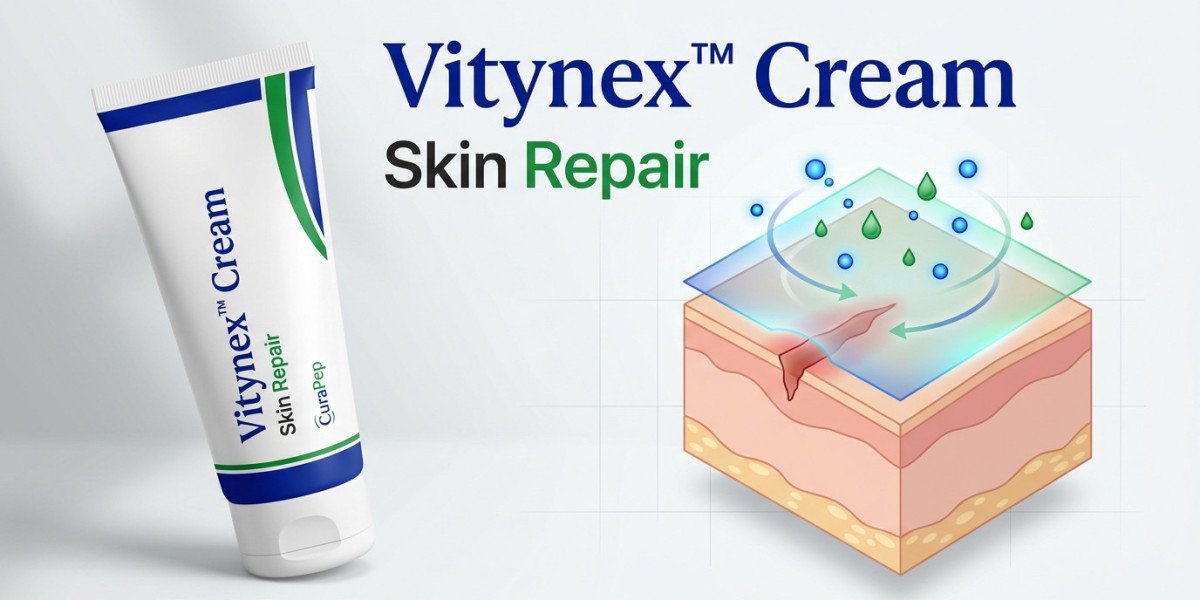
CuraPep offers Vitynex™ Cream, a calendula-based topical homeopathic wound care product. Its official labeling describes uses that include soothing skin abrasions, shallow wounds, and minor burns. The product is intended for external use, and its labeling includes precautions for more serious injuries. <Cite refs={["turn971144search5","turn971144search6"]}/>
Considering Moisture and Oxygen Support
The best healing cream for skin should be evaluated according to its intended use, directions, and available evidence rather than a single advertised feature. CuraPep's product information emphasizes moisture retention and an oxygen-supportive approach to wound care. These concepts relate to maintaining a suitable environment for the body's natural repair process, but they should not be interpreted as a guarantee of faster healing.
For further details about Vitynex™, review the official product information and follow the product label. Consult a healthcare professional if you are unsure whether it is suitable for your injury.
When to Avoid Self-Treatment
Vitynex™ labeling advises asking a doctor before use for deep or puncture wounds, animal bites, and serious burns. Stop using the product and seek medical advice if the condition worsens or symptoms persist beyond the period specified on the label. <Cite refs={["turn971144search5","turn971144search6"]}/>
Spreading redness, increasing swelling, worsening pain, pus, fever, or persistent bleeding also warrant medical attention. People managing diabetic foot ulcers, pressure injuries, or other chronic wounds should follow a clinician-directed care plan rather than relying on a cream alone.
Practical Steps for Supporting Skin Recovery
A consistent care routine helps protect minor injuries while the body repairs damaged tissue. The following practices can complement an appropriate topical product.
Establish a Simple Wound Care Routine
Clean gently: Follow first-aid guidance to clean the injury and remove visible dirt without aggressive scrubbing.
Protect the area: Use an appropriate dressing to reduce friction and exposure to contaminants.
Maintain moisture balance: Follow the directions for any topical product or dressing and avoid excessive moisture around the wound.
Monitor progress: Watch for changes in redness, pain, swelling, drainage, or wound size.
Support general health: Adequate nutrition and management of underlying medical conditions contribute to normal tissue repair.
Seek medical advice when necessary: Do not delay care for deep, infected, serious, or non-healing wounds.
Avoid Common Wound Care Mistakes
Avoid assuming that leaving every wound uncovered will improve recovery. Similarly, applying more cream than directed does not necessarily produce better results. Harsh cleaning methods, unsuitable products, and ignoring warning signs can interfere with appropriate care.
If a wound is not improving as expected, reassess the situation with a healthcare professional instead of repeatedly switching products or relying on unsupported remedies.
Conclusion
Choosing a topical wound care product starts with understanding the injury and the body's natural healing process. Moisture balance, appropriate protection, ingredient suitability, clear instructions, and reliable evidence are all important considerations. No single cream is the best choice for every person or every wound.
CuraPep's Vitynex™ Cream is a calendula-based option labeled for selected minor skin injuries. Review its official directions and warnings before use, and seek professional guidance for serious, infected, or persistent wounds. A careful, informed approach to wound care can help protect the skin while supporting its natural recovery.