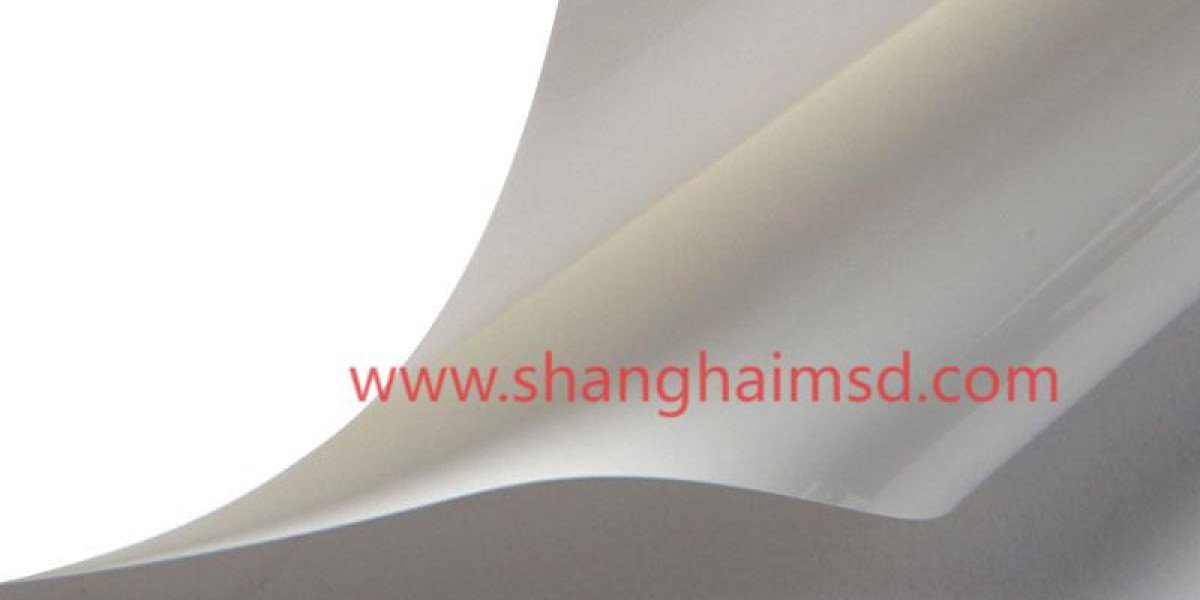

Inflatable products combine flexible structures with thoughtful engineering, creating opportunities for functional equipment, creative installations, and distinctive commercial displays. PVC Inflatable Fabric from ShanghaiMsd offers material possibilities for manufacturers developing products that rely on controlled inflation, adaptable shapes, and carefully planned construction. Choosing a suitable fabric involves more than considering its appearance; the intended application, joining methods, operating environment, and finished product design all deserve attention.
The appeal of inflatable structures lies in how they transform space and form. When air enters a designed chamber, flexible material takes on a specific shape and becomes part of a functional assembly. This principle supports a variety of products, from recreational equipment and promotional structures to temporary installations and specialized inflatable components. Each application brings its own requirements, making early design decisions important to the overall manufacturing process.
Material characteristics can influence how an inflatable product is developed. Flexibility, surface finish, fabric construction, and compatibility with joining techniques should be evaluated in relation to the intended design. Manufacturers may also need to consider how the material behaves during folding, storage, transportation, and repeated use. Reviewing these factors helps product developers understand the relationship between the fabric and the structure it is expected to support.
The design of an inflatable product begins with its purpose. A decorative structure may place particular emphasis on shape, color, and visual presentation, while functional equipment may require closer attention to seams, attachment points, and operating conditions. Designers can translate these priorities into drawings that identify the shape of each chamber, the arrangement of panels, and the intended method of assembly. Clear design documentation makes it easier to discuss material requirements before fabrication begins.
Joining methods are an essential consideration because inflatable products depend on the construction of enclosed air spaces. Depending on the material and product design, manufacturers may evaluate welding or other compatible joining processes. Seam layout, corner construction, valve placement, and connections between individual sections should be considered as part of the complete structure. Confirming material compatibility with the selected production method can help manufacturers plan fabrication more effectively.
The intended environment also shapes material selection. Products designed for indoor displays may encounter different conditions from those used outdoors, around water, or in recreational settings. Exposure to sunlight, moisture, temperature changes, abrasion, and repeated handling may influence the specifications a project requires. Manufacturers should assess these factors carefully and consult relevant technical documentation rather than assuming that every inflatable material is suitable for every environment.
Visual design provides another area for creative development. Surface color, printed graphics, texture, and overall shape can contribute to a product's identity. Promotional installations may use distinctive outlines to attract attention, while recreational products may rely on carefully coordinated colors and recognizable forms. Bringing these elements together requires cooperation between designers, material suppliers, and production teams so that creative plans remain compatible with fabrication requirements.
For purchasing professionals, an organized evaluation process can make supplier communication more productive. Preparing details about the finished product, intended environment, manufacturing equipment, joining process, and preferred surface appearance gives suppliers a clearer understanding of the project. Buyers can also ask about available material specifications, sample evaluation, storage recommendations, and handling guidance. These discussions help establish whether a proposed option aligns with the project's practical needs.
Responsible product development should also include appropriate inspection and maintenance planning. Depending on the finished product, manufacturers may need to examine seams, valves, connections, and surface condition before use. Storage and cleaning procedures should follow the supplier's guidance, while products intended for particular activities should be assessed against applicable safety requirements. Such considerations belong in the planning process rather than being left until the product is ready for use.
Inflatable design brings together imagination, material knowledge, and careful construction. By defining the product's purpose, examining environmental conditions, and coordinating material properties with fabrication methods, development teams can create a clearer path from an initial sketch to a finished structure. Every project has its own combination of visual goals and functional demands, so a considered selection process remains an important part of the work.
Have a shape in mind that has not yet left the drawing board? Visit https://www.shanghaimsd.com/product/ to browse material possibilities, gather ideas for your next inflatable concept, and identify the specifications worth discussing with a supplier. Your next design conversation could begin with a fresh look at the materials available.