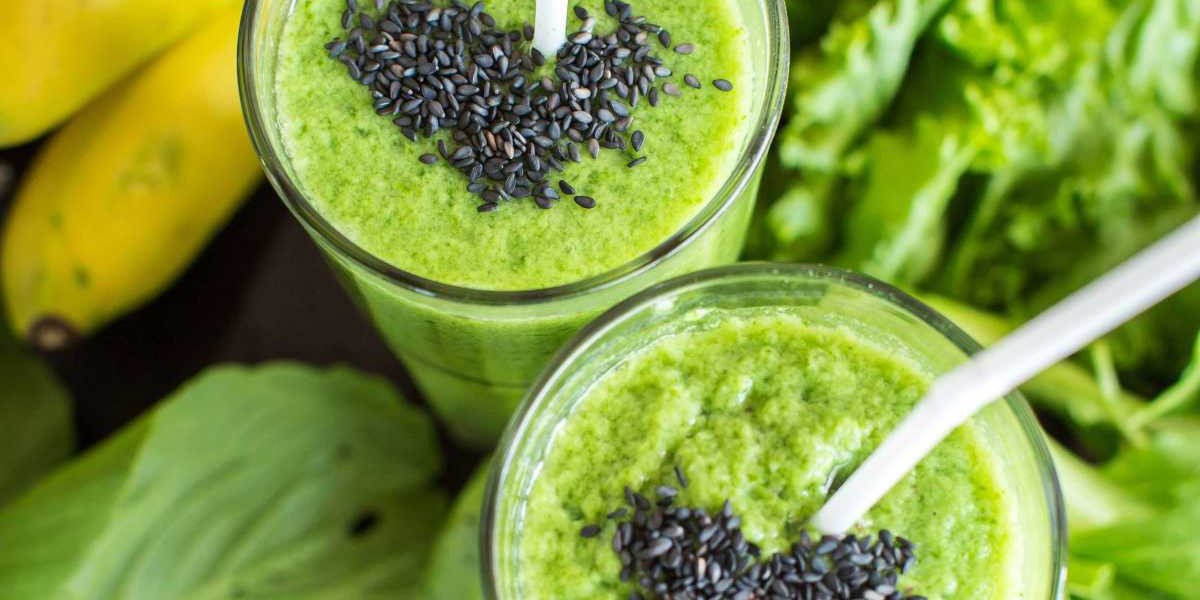

Some mornings call for something that tastes like a vacation but takes less time than making toast. That is exactly what a good tropical smoothie delivers: sweet pineapple, silky mango, and a creamy finish, all in one glass and ready in about five minutes.
This guide covers everything you need to blend one at home. You’ll find a reliable base formula, ingredient swaps, texture fixes, storage tips, and answers to the questions home cooks ask most. Whether you’re a beginner or already own a well-loved blender, you’ll have a repeatable method by the end.
At Devine Dishes, we build recipes around busy kitchens: short ingredient lists, forgiving steps, and flavors the whole household will drink. This drink fits all three.
How Do You Make This Smoothie at Home?
Short answer: Blend 1 cup frozen pineapple, 1 cup frozen mango, 1 ripe banana, ½ cup plain yogurt, and ¾ cup coconut milk or orange juice until completely smooth. This takes about 60 seconds of blending and makes 2 servings.
A tropical smoothie is a blended drink built on tropical fruit such as pineapple, mango, banana, papaya, or passion fruit. It’s thickened with frozen fruit or ice and softened with a creamy or juicy liquid base. The result is thick, sweet-tart, and naturally refreshing without added sugar.
Fast facts:
Prep time: 5 minutes
Cook time: None
Servings: 2 (about 12 oz each)
Difficulty: Beginner
Equipment: Any standard blender
What Makes a Smoothie “Tropical”?
Not every fruity drink earns the label. The flavor comes from a balance of sweetness, acidity, and creaminess that mimics a beach-side drink without the syrup.
The Core Fruits
Pineapple brings bright acidity and a juicy, almost floral sweetness. It also contains bromelain, an enzyme that gives the drink its signature tang. Mango adds body and a buttery, honeyed flavor. Banana works as the quiet peacemaker, smoothing the edges and adding natural thickness.
Papaya, passion fruit, guava, kiwi, and coconut water are excellent supporting players if you want to experiment.
The Liquid Base
Your liquid decides how the drink feels in your mouth.
Coconut milk (canned, light): Rich and dessert-like.
Orange juice: Bright, sweet, and citrusy.
Coconut water: Light and hydrating with a subtle sweetness.
Milk or oat milk: Neutral and balanced.
The Creamy Boosters
A creamy tropical smoothie relies on a fat or protein source to create that velvety texture. Greek yogurt, a spoonful of nut butter, silken tofu, or a quarter of an avocado all do the job. We tested several versions in our kitchen, and yogurt plus coconut milk gave the most consistent results for families who want something familiar and filling.
Tropical Smoothie Recipe: Ingredients and Step-by-Step Method
This tropical smoothie recipe is designed to be flexible. Treat the amounts as a starting point, then adjust to your taste.
Ingredients (Serves 2)
1 cup frozen pineapple chunks
1 cup frozen mango chunks
1 ripe banana (fresh or frozen)
½ cup plain or vanilla Greek yogurt
¾ cup light coconut milk (or orange juice)
1 tablespoon honey or maple syrup (optional)
A handful of baby spinach or kale (optional)
A squeeze of fresh lime juice
Ice cubes, as needed
Instructions
Add liquids first. Pour the coconut milk and yogurt into the blender. Liquid at the bottom helps the blades catch the frozen fruit.
Layer the fruit. Add the banana, then the pineapple and mango on top. If using greens, tuck them in between the fruit.
Blend on low, then high. Start low for 15 seconds to break up the chunks, then increase to high for 45 seconds until silky.
Taste and adjust. Add honey if the fruit is tart, or a splash of juice if it’s too thick.
Finish with lime. A small squeeze brightens the whole drink.
Serve right away. Pour into chilled glasses and add a garnish.
Pro Tips for the Best Texture
Use frozen fruit, not ice. Ice dilutes flavor. Frozen fruit gives you a thick, sorbet-like texture.
Freeze ripe bananas in slices. Bananas with brown speckles are sweeter and blend more smoothly.
Blend greens with the liquid first. This prevents flecks of leaf in the final drink.
Don’t overload the blender. Fill it no more than two-thirds full.
Stop and scrape. If the blades spin without catching, pause and stir the mixture with a spatula.
Easy Variations to Match Your Mood
A great base recipe is only the beginning. Here are the swaps we reach for most often.
The Easy Tropical Smoothie for Beginners
If you’re new to blending, keep it to three ingredients: 2 cups frozen tropical fruit mix, 1 banana, and 1 cup juice. This Easy Tropical Smoothie takes about three minutes and works with almost any grocery-store frozen blend.
The Green Version
Add a big handful of spinach or a few kale leaves. Pineapple and mango mask the greens almost completely, which makes this a smart way to bring vegetables to the table for picky eaters.
The High-Protein Version
Add a scoop of vanilla protein powder or an extra ¼ cup of Greek yogurt. Reduce the liquid slightly, since protein powder thickens the mix.
The Dairy-Free Version
Swap the yogurt for coconut yogurt or silken tofu and use coconut milk as your liquid. The result is just as creamy and fully plant-based.
The Breakfast Bowl
Reduce the liquid to ¼ cup, blend until very thick, and spoon into a bowl. Top with granola, toasted coconut, sliced kiwi, and chia seeds.
The Kid-Friendly Pop
Pour leftovers into popsicle molds and freeze for 4 to 5 hours. It’s a simple way to turn one batch into two treats.
Homemade vs. Store-Bought: What’s the Difference?
A Homemade Tropical Smoothie gives you control over what goes in the glass. Many cafe and bottled versions rely on fruit purées, sweetened bases, or syrups that raise the sugar count quickly. Some single servings contain more added sugar than a dessert.
Making it yourself offers several advantages:
Ingredient transparency: You choose the fruit, the liquid, and the sweetener.
Lower cost per serving: A bag of frozen fruit makes several drinks for the price of one cafe cup.
Customization: Adjust for allergies, diets, or taste.
Freshness: No long shelf life or preservatives.
If you do buy one out, ask whether it’s made with whole fruit or concentrate, and request no added sweetener.
Nutrition and Health Benefits
While exact numbers vary with your ingredients, a typical serving of this recipe lands around 200 to 250 calories, depending on your liquid and yogurt. Here’s what the key ingredients bring to the table.
Pineapple: A good source of vitamin C and manganese, plus the enzyme bromelain.
Mango: Provides vitamin A, vitamin C, and dietary fiber.
Banana: Offers potassium and natural sweetness.
Yogurt: Adds protein, calcium, and probiotics (check the label for live cultures).
Coconut milk: Contributes healthy fats and a creamy mouthfeel.
A Refreshing Tropical Smoothie also helps with hydration, especially when made with coconut water or citrus juice. It makes a convenient option after a workout or on a hot afternoon.
A quick note on trust: This content is for general cooking inspiration, not medical advice. If you manage diabetes, have a food allergy, or follow a therapeutic diet, check ingredients with a registered dietitian or your doctor. Fruit-based drinks contain natural sugars, so portion size matters.
Troubleshooting: Fix Common Smoothie Problems
Even simple recipes go sideways occasionally. Here’s how to correct the most common issues.
My Smoothie Is Too Thick
Add liquid a tablespoon or two at a time and pulse. Too much liquid at once is hard to undo.
My Smoothie Is Too Thin
Add a few more frozen fruit chunks or half a frozen banana. A tablespoon of chia seeds also thickens the drink after five minutes of sitting.
It Tastes Too Sour
Pineapple can be sharp. Balance it with extra banana, a teaspoon of honey, or a splash of orange juice.
It Tastes Too Sweet
Add a squeeze of lime or a spoonful of plain yogurt to bring the flavor back into balance.
It’s Icy or Gritty
Your frozen fruit may not be breaking down evenly. Let the fruit sit on the counter for two to three minutes before blending, or blend longer on high speed.
It Separates After Sitting
Natural separation is normal. Stir or shake before drinking.
Meal Prep, Storage, and Make-Ahead Tips
Smoothies taste best fresh, but a little planning makes busy mornings easier.
Freezer packs: Portion the fruit, yogurt-free, into zip-top bags. In the morning, dump a bag into the blender, add liquid, and blend.
Refrigerator storage: Keep a blended drink in a sealed jar for up to 24 hours. Fill the jar to the top to limit oxidation, and shake before drinking.
Freezer storage: Pour into ice cube trays or freezer-safe jars. Thaw in the fridge overnight, or re-blend the cubes with a splash of milk.
Avoid prepping bananas too far ahead. Peeled, cut bananas brown quickly unless frozen.
Serving Ideas and Perfect Pairings
A smoothie can be a snack, a breakfast, or part of a light lunch. To turn it into a full meal, pair it with something that adds protein and fiber.
Toast: Try it with a slice of avocado toast for a balanced, café-style breakfast.
Eggs: Soft-scrambled eggs or a veggie omelet round out the plate.
Granola or nuts: A small handful adds crunch and healthy fats.
Overnight oats: Serve a small glass alongside a jar of oats for a grab-and-go breakfast.
For a dressed-up presentation, rim the glass with toasted coconut, add a pineapple wedge, and finish with a paper straw. These small touches make a simple drink feel like a treat.
Explore More Blended Favorites
Once you’ve mastered this base, the same technique opens the door to many flavor combinations. Our strawberry banana smoothie is a classic for beginners and kids, with simple fruit and a mild flavor. If you’re craving something deeper and more antioxidant-rich, try our avocado blueberry smoothie for a thick, creamy texture with berry brightness. And for a hot-weather favorite, our mango watermelon smoothie is light, juicy, and ready in minutes.
Why This Recipe Works: The Science in Plain English
Understanding why a recipe works helps you adapt it with confidence.
Frozen fruit creates thickness without dilution. When fruit is frozen, its water turns to tiny ice crystals. The blender crushes those into a fine slush, which gives you thickness while keeping the flavor concentrated.
Fat carries flavor. Coconut milk and yogurt contain fat, which coats your tongue and rounds out sharp acidity. That’s why a smoothie made with only juice tastes thinner than one with a creamy base.
Acid balances sweetness. Lime juice and pineapple provide acidity that keeps the drink from tasting flat or cloying.
Fiber slows the sugar spike. Blending whole fruit keeps the fiber intact, which is a major reason this approach beats store-bought juice.
Shopping Guide: Choosing the Best Ingredients
Frozen pineapple: Look for bags with no added sugar or syrup. The ingredient list should say only “pineapple.”
Frozen mango: Choose bright orange pieces without heavy frost, which can signal thawing and refreezing.
Bananas: Select ones with brown freckles for the sweetest flavor.
Yogurt: Plain Greek yogurt offers the most protein. Vanilla adds sweetness but also sugar.
Coconut milk: Use canned light coconut milk for a creamy but not heavy texture. Shake the can well before opening.
Greens: Baby spinach is the mildest option for first-time green smoothie makers.
Buying frozen fruit is often smarter than fresh. It’s picked ripe, frozen at peak flavor, and available year-round, which matters for those of us living through long Canadian winters.
Allergy and Dietary Notes
Nut-free: Skip nut butters and use coconut milk or oat milk. Check labels for cross-contamination if allergies are severe.
Dairy-free: Replace yogurt with coconut or soy yogurt.
Vegan: Use plant-based yogurt and maple syrup instead of honey.
Low-FODMAP: Mango and banana (when ripe) can be higher in FODMAPs. A dietitian can help you adjust portions.
Babies and toddlers: Always check with your pediatrician before introducing new foods, and avoid honey for children under one year old.
Final Thoughts
A tropical smoothie doesn’t need special equipment, fancy ingredients, or much time. With frozen pineapple, mango, a ripe banana, and a creamy base, you can have a sunny, satisfying drink in your hands in five minutes. Start with the base formula, make it your own with the variations above, and keep a few freezer bags of fruit ready for busy mornings.
If you try this recipe, leave a comment and tell us how you customized it. We love hearing from our readers.
Frequently Asked Questions (FAQs)
What fruits go in a tropical smoothie?
The most common fruits are pineapple, mango, and banana. Papaya, passion fruit, guava, kiwi, and coconut are popular additions. Most frozen tropical fruit blends combine pineapple, mango, and papaya.
What is the best liquid for this kind of smoothie?
Light coconut milk gives the creamiest result, while orange juice adds brightness and extra sweetness. Coconut water is a lighter, lower-calorie choice. The best option depends on whether you want rich, tangy, or light.
How do I make my smoothie thicker without ice?
Use more frozen fruit, add half a frozen banana, or stir in a tablespoon of chia seeds or rolled oats. Reducing the liquid by a few tablespoons also helps.
Can I make this smoothie without yogurt?
Yes. Replace the yogurt with coconut milk, silken tofu, or a quarter of an avocado for a creamy texture. For extra protein, add a scoop of protein powder.