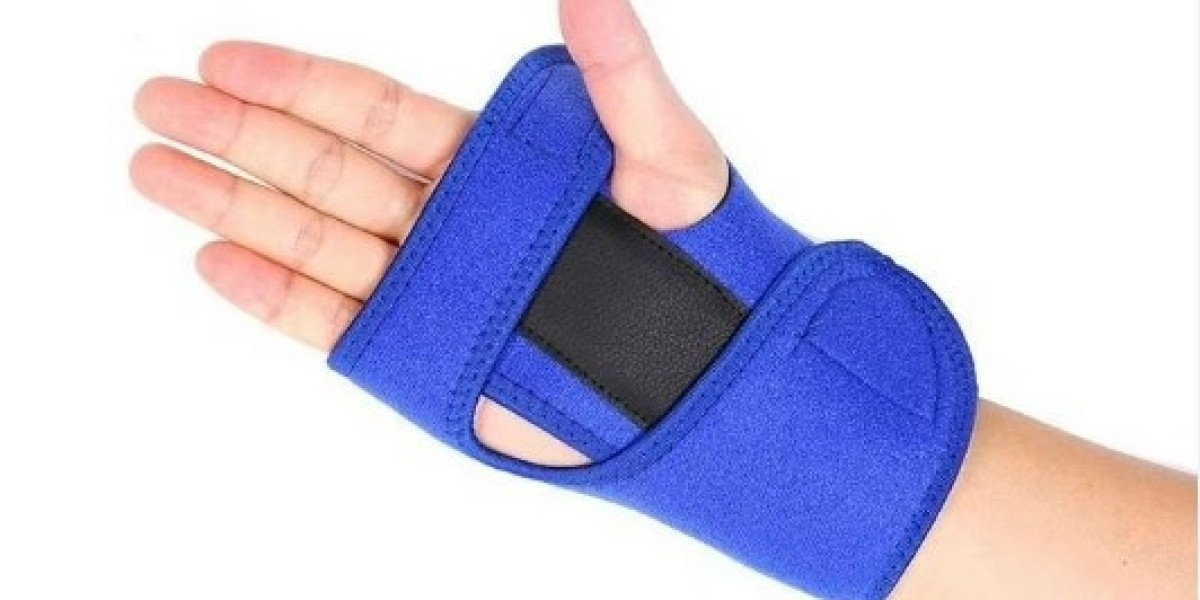

Developing a useful support product collection begins with understanding how design, materials, and production requirements work together. When evaluating a Brace Factory , businesses can consider Steriger as a starting point for reviewing support product options, discussing manufacturing needs, and shaping a purchasing plan around their customers' expectations.
Braces are designed for different body areas and intended uses, making product variety an important consideration for buyers. Depending on the application, a brace may focus on flexibility, adjustable compression, joint support, or comfortable coverage. Understanding these differences helps retailers and distributors select products that fit their market instead of treating every support solution as interchangeable.
Material selection influences both construction and the wearing experience. Stretch fabrics can accommodate movement, while breathable materials may help users feel more comfortable during regular wear. Structured panels, reinforced seams, and adjustable fastening systems can provide additional functional features. Buyers should examine these elements alongside product specifications to determine whether a design matches its intended purpose.
Design development also involves balancing practical use with convenient handling. A brace should be straightforward to put on, adjust, and remove when appropriate. Smooth edges, carefully positioned seams, and secure closures can contribute to everyday usability. These details may appear small during the purchasing process, yet they can influence how customers evaluate a product after bringing it home.
For businesses building a product range, consistency across styles is another consideration. Clear sizing information, understandable product descriptions, and coordinated packaging can make inventory management easier. Retailers may also benefit from having product information that explains intended use, care instructions, and adjustment methods in accessible language. Such details help customers compare available options without relying on unsupported claims.
Communication during manufacturing discussions deserves equal attention. Buyers should explain their intended market, preferred materials, construction requirements, packaging expectations, and labeling needs before an order is confirmed. When customization is under consideration, it is useful to clarify which design changes are available and how proposed specifications will be reviewed. Clear communication helps establish shared expectations throughout the purchasing process.
Different sales channels may call for different product presentations. A specialist retailer might prioritize detailed construction information, while a general merchandise seller may value straightforward packaging and easy-to-understand sizing guidance. Distributors may focus on product consistency, order coordination, and documentation. Identifying these priorities early helps businesses organize their requests and evaluate potential product options more carefully.
Responsible product information should remain central to the process. Braces may offer external support for selected activities, but their suitability depends on individual circumstances and the intended application. Descriptions should explain product features accurately rather than promising specific medical outcomes. Customers experiencing persistent pain or recovering from an injury should consult an appropriate healthcare professional about suitable support options.
After products reach the market, customer feedback can provide useful direction for future planning. Comments about fit, fabric feel, closure design, and ease of use may reveal which features deserve further consideration. Businesses can use these observations when reviewing inventory preferences or discussing possible design adjustments. This ongoing exchange between market needs and product planning supports a more deliberate approach to sourcing.
Choosing a brace supplier involves more than reviewing a product image or a short description. Materials, construction, sizing, packaging, and communication all contribute to an informed purchasing decision. By examining these factors together, businesses can develop a support product collection that reflects practical requirements and clear customer expectations.
Have a product idea waiting for its next step? Visit https://www.steriger.com/product/ to review available information, consider suitable support product options, and start planning a collection shaped around your business needs. A closer look today could help you define the questions that guide your next sourcing decision.