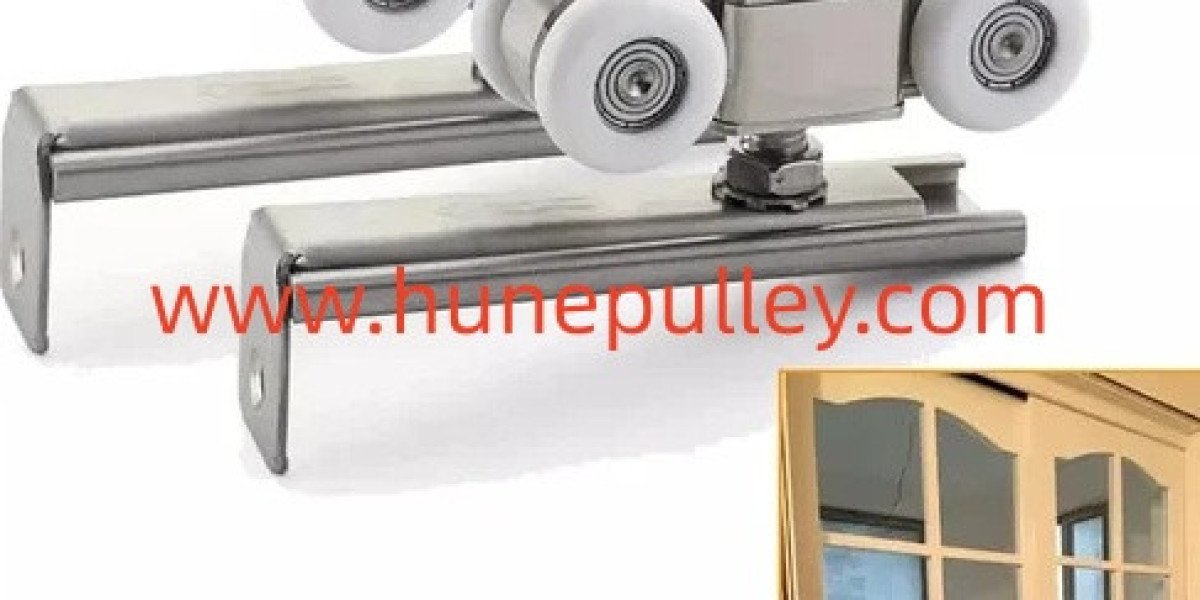

Small mechanical components can make a meaningful difference in how products move, operate, and fit into everyday environments. A Plastic Pulley from Hunepulley offers manufacturers and product designers an opportunity to consider material flexibility, functional geometry, and practical integration when developing moving mechanisms. Selecting the right component involves more than choosing a wheel; it requires understanding the surrounding structure, operating conditions, and intended purpose.
Plastic pulleys are used in a variety of applications where guided movement and coordinated components are required. Furniture fittings, sliding door assemblies, window mechanisms, and selected equipment systems may incorporate pulley components to help direct movement along a defined path. Their suitability depends on the design of the complete mechanism, including the supporting track, mounting arrangement, and expected operating conditions.
Material choice is an important part of product development. Different plastics offer different characteristics in terms of stiffness, surface behavior, wear resistance, and environmental tolerance. Designers should consider whether the selected material is appropriate for the application's contact surfaces, operating environment, and maintenance expectations. A component intended for a light furniture mechanism may require different characteristics from one used in equipment exposed to frequent movement.
Weight and handling can also influence material selection. Plastic components may offer practical advantages in applications where designers want to manage overall product weight or integrate molded shapes into a compact assembly. Their suitability, however, depends on the material formulation, component geometry, and intended loading conditions. Reviewing technical specifications helps buyers assess whether a particular design aligns with the requirements of the finished product.
The shape of a pulley affects how it interacts with neighboring components. Wheel diameter, groove profile, width, axle opening, and mounting features all contribute to compatibility. A mismatch between the pulley and its track can create alignment problems, inconsistent movement, or unnecessary wear. Before placing an order, purchasing teams should compare product drawings with the dimensions and configuration of the intended assembly.
Manufacturing methods also influence the final component. Mold design, material processing, dimensional control, and finishing can affect the consistency of the finished pulley. For businesses sourcing mechanical hardware, it is useful to review manufacturing capabilities alongside product specifications. Clear technical information makes it easier to evaluate available configurations and determine whether a component is suitable for a particular design.
Noise and movement feel may also matter in applications used frequently throughout the day. Furniture panels and sliding doors, for example, benefit from components selected with the surrounding track and assembly in mind. Proper installation, alignment, and maintenance can influence operating behavior, so buyers should consider the complete mechanism rather than expecting the pulley alone to determine the result.
For distributors and manufacturers, a clear product selection process can simplify purchasing decisions. Relevant considerations include material options, dimensional compatibility, intended applications, packaging, and replacement component availability. Communicating these requirements to a supplier can help clarify which configurations are appropriate and reduce uncertainty during product development.
Long-term maintenance should be part of the planning process as well. Environmental exposure, accumulated debris, excessive loading, or incorrect installation may affect the condition of a pulley over time. Following appropriate inspection and maintenance guidance can help users identify wear and determine when a component needs attention. These practical considerations support more informed equipment planning.
A well-chosen pulley begins with a clear understanding of the mechanism it will serve. By examining material properties, wheel geometry, installation conditions, and operating requirements together, businesses can make choices that reflect the needs of their products.
Have a mechanism waiting for its next design improvement? Visit https://www.hunepulley.com/product/ to browse available hardware solutions, review product details, and gather ideas for your upcoming project. Sometimes a small component opens the door to a more considered design—take a look and see what your next project might need.