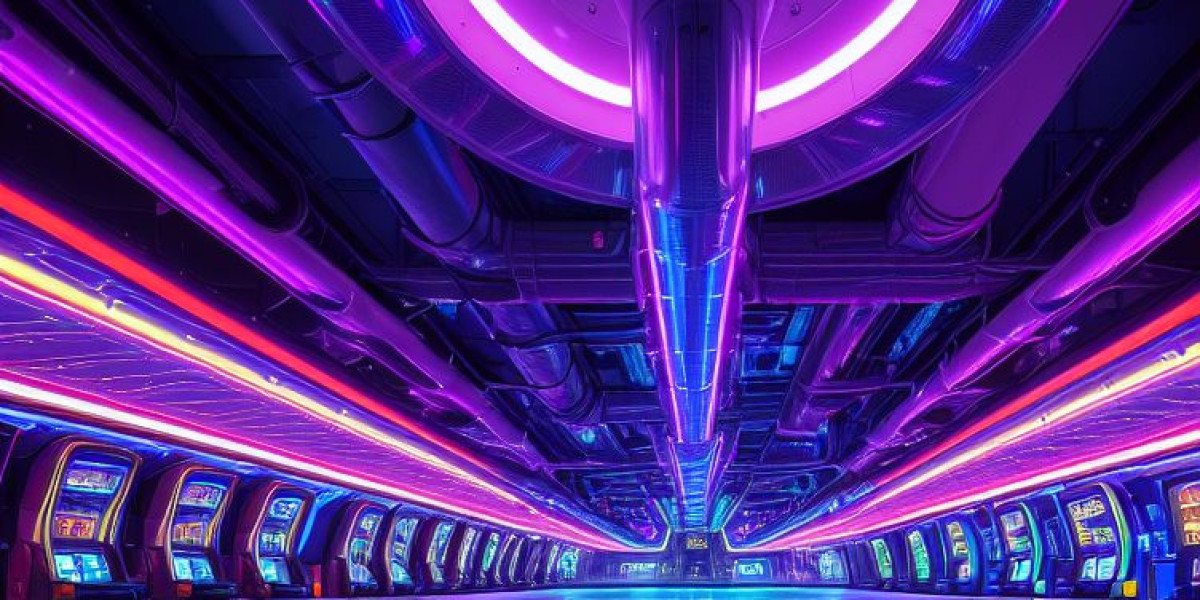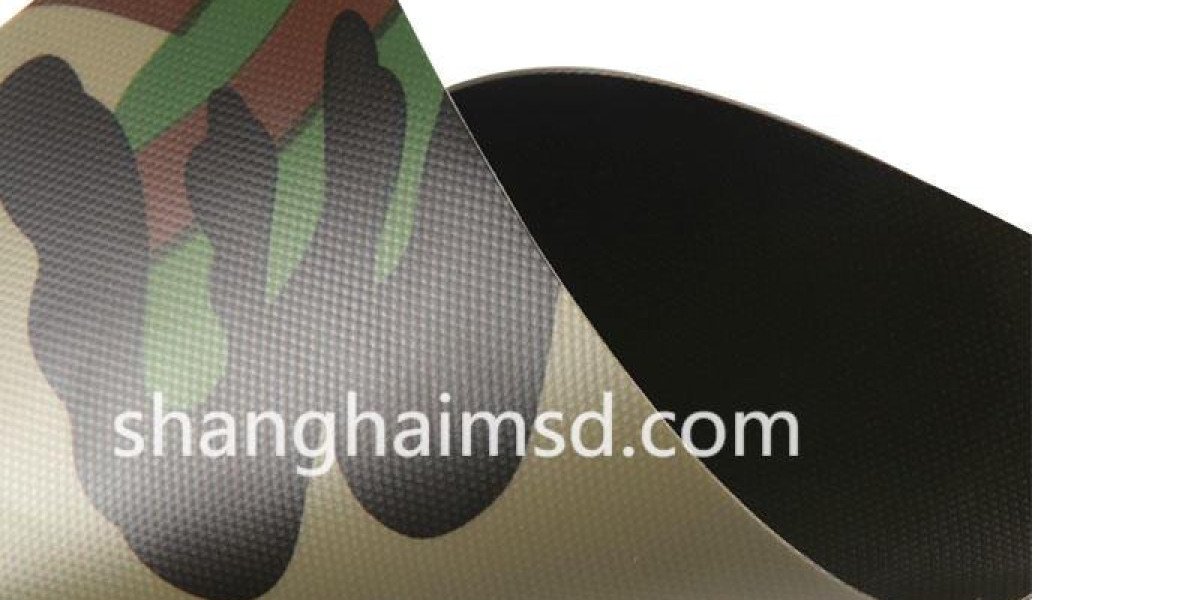

A ceiling can influence the entire feeling of a room, shaping how light, color, and architectural details come together. PVC Ceiling Film offers designers and property developers an adaptable option for creating distinctive overhead surfaces, while ShanghaiMsd provides material solutions for projects with different decorative and functional requirements. From welcoming commercial interiors to carefully planned residential spaces, the right ceiling finish can help establish a visual identity that connects with the purpose of the environment.
Interior design involves coordinating many elements, including wall finishes, flooring, lighting, furniture, and ceiling treatments. Although ceilings are sometimes considered only a structural feature, their color, texture, and reflective qualities can influence the perception of a space. A thoughtfully selected film can complement the surrounding decor, introduce a subtle visual feature, or support a more unified design concept. Considering the ceiling early in the planning process allows designers to coordinate these details more effectively.
Decorative flexibility is an important consideration when selecting materials for interior projects. Different environments may call for understated finishes, expressive colors, or surfaces that interact with lighting in particular ways. A carefully chosen ceiling treatment can help establish the desired atmosphere without overwhelming other design elements. Designers should consider how the material's appearance will relate to the room's dimensions, natural light, artificial lighting, and overall decorative style.
Practical installation requirements deserve equal attention. Ceiling projects may involve different supporting structures, room configurations, and installation methods. Before choosing a material, project teams should review the substrate, installation system, surface preparation, and relevant site conditions. Coordination between designers, installers, and suppliers can help clarify the requirements of the intended application and reduce uncertainty during project planning.
Lighting can also change how a ceiling surface is perceived. Natural daylight may reveal subtle colors and textures, while artificial illumination can create different visual effects throughout the day. Designers may wish to review material samples under the lighting conditions expected in the finished room. This simple step can help them evaluate color relationships and surface appearance before making a final selection.
Commercial interiors provide varied opportunities for decorative ceiling applications. Retail spaces may use coordinated ceiling finishes to complement product displays and visual merchandising. Offices can incorporate ceiling treatments into a broader interior identity, while hospitality environments may use color and surface design to establish a particular mood. Residential projects offer another range of possibilities, from restrained contemporary rooms to interiors with more expressive decorative themes.
Material selection should also reflect the practical needs of the building. Buyers may need to consider cleaning procedures, moisture exposure, maintenance expectations, and compatibility with the intended installation environment. The suitability of a particular finish depends on its documented characteristics and the conditions of use. Reviewing product information with the supplier helps project teams make decisions based on specific requirements rather than appearance alone.
Customization can provide additional freedom during the design process. Different projects may require particular colors, surface effects, dimensions, or visual relationships with surrounding materials. Clear communication about these preferences helps suppliers understand the intended result and discuss relevant options. Coordinating material choices with lighting plans, architectural details, and installation requirements can make the overall design process more organized.
A well-considered ceiling treatment is not simply a finishing detail; it can contribute to the atmosphere and visual continuity of an interior. When aesthetics, installation conditions, and maintenance needs are considered together, designers can develop spaces that reflect their intended character while remaining attentive to practical requirements.
Imagine looking up at a finished room and seeing every design element connect naturally, from the lighting above to the textures surrounding you. Let that image inspire your next project. Visit https://www.shanghaimsd.com/product/ to browse material possibilities, gather ideas for your interior concept, and explore options that may help bring your ceiling design vision into focus.