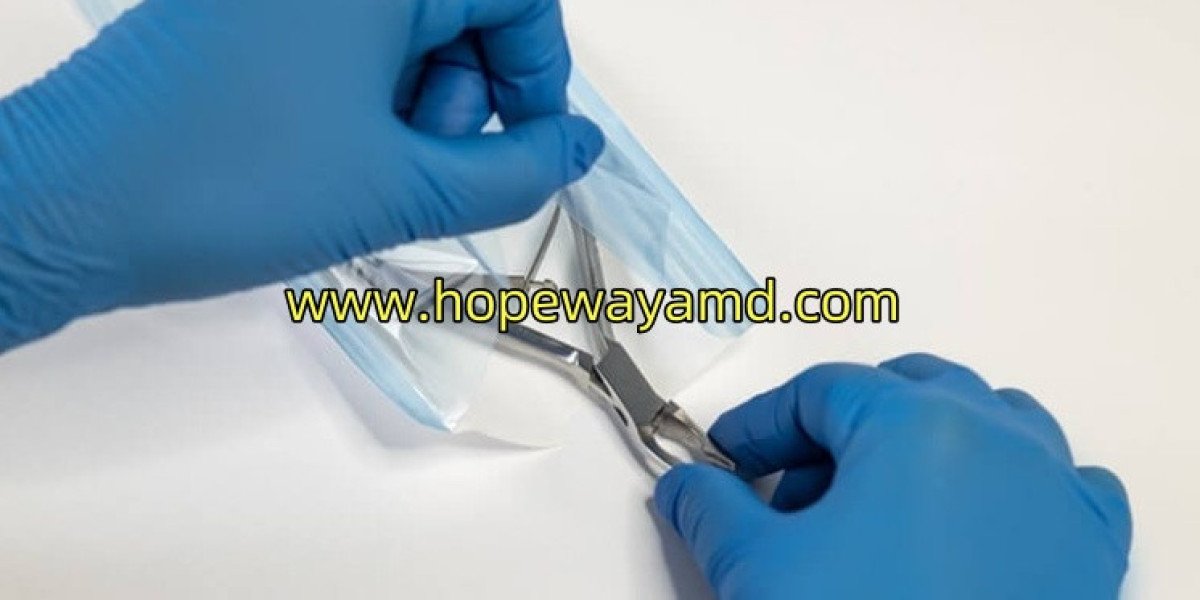

Medical packaging begins with choosing materials that fit the product, processing method, and working environment. Sterilization Flat Roll from Hopeway AMD provides an option for packaging professionals who need roll-format materials for suitable medical packaging applications. Evaluating the intended use, material characteristics, and equipment requirements can help businesses establish a packaging approach that aligns with their operational procedures.
Roll-format packaging offers flexibility when preparing packages for medical instruments with different dimensions and shapes. Rather than relying exclusively on preformed packaging, operators can work with suitable roll material and prepare packages according to established procedures. This format may be useful for facilities that manage varied instruments and need packaging arrangements that accommodate different product configurations.
Material selection should always reflect the intended application. Medical packaging materials must be assessed for compatibility with the selected sterilization method, the packaged device, and the complete packaging system. Factors such as material construction, handling characteristics, and resistance to damage during preparation deserve careful attention. Reviewing technical documentation before purchasing helps ensure that the chosen material is appropriate for the intended process.
Equipment compatibility is another essential consideration. Roll packaging may require cutting and sealing equipment designed for the selected material. Packaging teams should follow the manufacturer's instructions for equipment setup, material positioning, and sealing conditions. Appropriate operating procedures help maintain consistency and reduce the risk of problems caused by incorrect handling or unsuitable equipment settings.
The cutting and sealing stages also influence the finished package. Operators should prepare the material carefully, allow suitable space for the intended contents, and ensure that the closure is formed according to the applicable instructions. Excessive tension, uneven positioning, or contamination around the sealing area may affect packaging quality. Routine inspection can help staff identify visible defects and address concerns before packages move to subsequent processing stages.
Another important factor is package sizing. A package should accommodate its contents without placing unnecessary pressure on the device or creating difficulties during closure. Selecting suitable dimensions can make instrument placement more manageable and help establish a consistent preparation routine. Packaging teams should also consider how the finished package will be handled, stored, and transported within their facility.
Storage procedures should reflect the recommendations provided for the selected material. Keeping packaging supplies in appropriate conditions and protecting them from physical damage can help preserve their intended condition before use. Clear inventory practices also allow staff to organize materials, identify the supplies required for different tasks, and maintain an orderly packaging area.
For purchasing professionals, a productive supplier discussion should address the details that affect real-world use. These may include available roll formats, material specifications, compatible sealing equipment, intended sterilization applications, and technical documentation. Understanding these factors before placing an order can help buyers evaluate whether a product fits their existing equipment and packaging procedures.
Medical packaging decisions should be based on the requirements of the complete process rather than on format alone. Material suitability, equipment operation, package dimensions, closure inspection, and storage practices all contribute to an organized workflow. Reviewing these considerations together helps businesses make informed choices and plan packaging operations around their specific needs.
Give your packaging plans a more informed starting point. Visit https://www.hopewayamd.com/product/ to review available medical packaging materials and explore options for your intended application. Take a closer look at the product information, consider your equipment requirements, and identify a roll format that fits your packaging workflow.