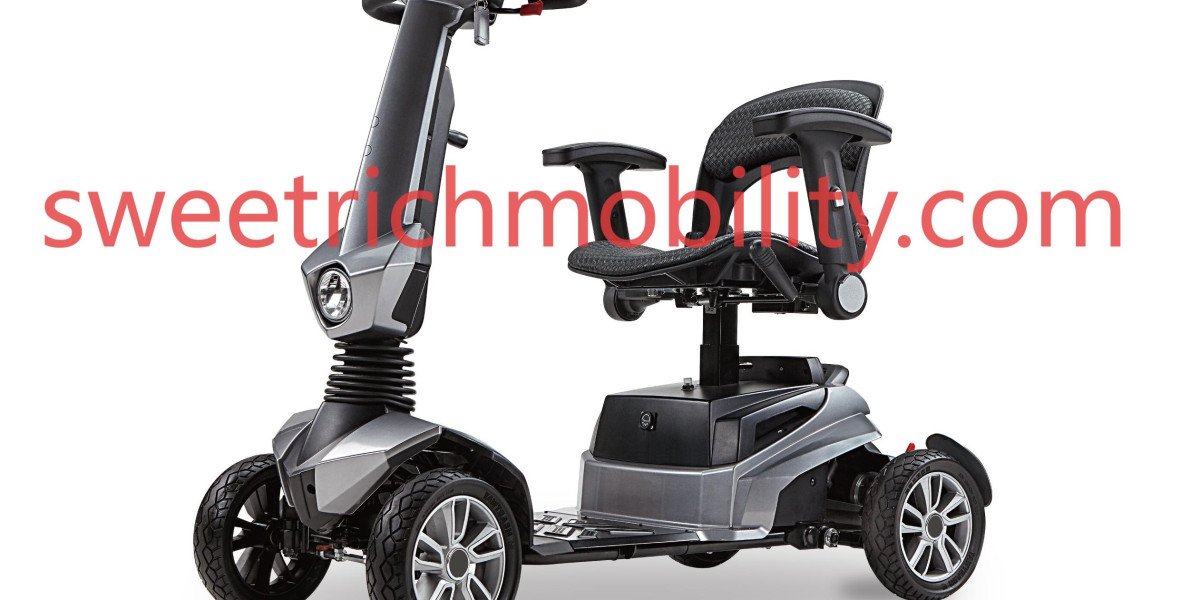

Modern mobility equipment needs to accommodate more than movement alone. People also consider storage, transportation, daily handling, and how easily a product fits into their surroundings. A Lightweight Scooter Factory such as Sweetrichmobility can address these expectations through careful material selection, functional engineering, and user-oriented product development. By balancing manageable construction with practical features, manufacturers can create mobility solutions suited to different routines and environments.
Weight plays an important role in the overall experience of owning a scooter. Equipment that is easier to maneuver or transport may offer practical advantages for users who frequently move between locations. However, lightweight construction involves more than reducing material. Designers must consider structural support, durability, component placement, and the intended operating environment. These elements need to work together so that portability remains compatible with everyday functionality.
Material selection is an essential part of this process. Different metals, engineered materials, and composite components offer distinct characteristics in terms of strength, weight, maintenance, and manufacturing requirements. The appropriate combination depends on the scooter's intended use and structural design. Careful evaluation can help manufacturers develop products that balance transportation convenience with the demands of regular operation.
Portability also depends on how the scooter is arranged. Folding mechanisms, detachable components, and space-conscious frames can influence how conveniently equipment fits into a vehicle, storage area, or home. Buyers should consider the complete handling process, including preparing the scooter for transport, managing removable parts, and returning it to operating condition. A practical design should suit the user's abilities as well as their available storage space.
Comfort remains relevant when developing lightweight mobility products. Seat support, handlebar position, footrest dimensions, and control accessibility can influence the daily riding experience. A reduced overall weight should not come at the expense of appropriate seating or manageable controls. Manufacturers can evaluate these features together to create configurations that address different preferences and intended applications.
Different users also require different performance characteristics. Someone navigating indoor spaces may prioritize a compact profile and a convenient turning radius, while another user may need a configuration suited to outdoor paths. Tire selection, ground clearance, braking systems, and suspension should reflect the environments in which the scooter is designed to operate. Understanding these differences helps buyers compare available options with greater confidence.
For distributors and retailers, lightweight mobility products can serve customers with varied transportation and storage requirements. A clearly organized product collection makes it easier to compare frame designs, folding arrangements, seating styles, and control layouts. Accurate product descriptions and accessible technical specifications also help sales teams explain how particular features relate to everyday use. This allows purchasing decisions to reflect practical needs rather than appearance alone.
Manufacturing consistency is another important consideration. Frame connections, steering assemblies, wheel attachments, electrical systems, and braking components require appropriate assembly and inspection. Product development should account for maintenance access and the replacement of serviceable components where applicable. Clear operating guidance can also help users understand proper handling, charging, storage, and routine care.
As lifestyles and transportation preferences continue to change, lightweight design offers manufacturers an opportunity to rethink how mobility equipment fits into everyday environments. The objective is not simply to make a scooter easier to carry, but to develop a coordinated product that considers handling, comfort, storage, and intended use. Buyers who evaluate these factors together can make more informed choices for their own requirements or customer markets.
A practical mobility idea often begins with a closer look at how a product is designed. Visit https://www.sweetrichmobility.com/product/ to browse the available scooter range, review different configurations, and gather inspiration for your next product selection. Take a moment to explore the possibilities and find a design direction that fits your plans.