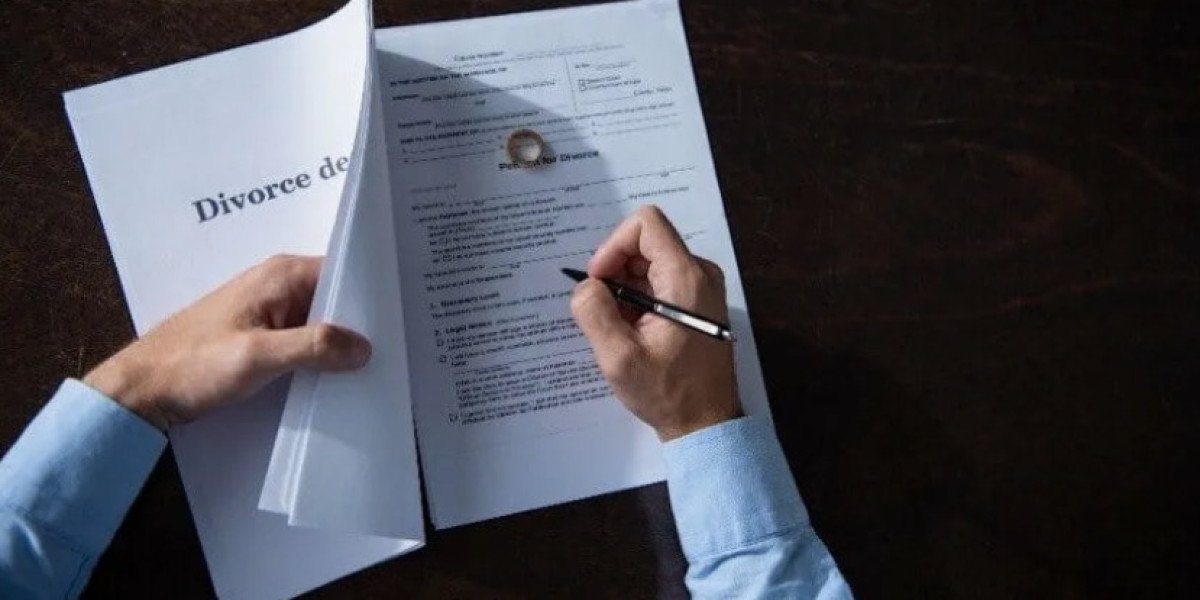

Divorce can be a challenging life transition. Along with the emotional changes, there are important legal documents, financial details, and court procedures that must be handled carefully. Understanding the paperwork involved can make the process easier to manage and help individuals prepare for the next stage of their lives. Divorce document preparation and divorce paperwork assistance can help people organize the necessary forms, understand filing requirements, and avoid common administrative mistakes.
Whether a couple agrees on the terms of their separation or needs to work through several unresolved issues, having organized documents is an important first step. Learning what paperwork is required and how to prepare it can save time, reduce confusion, and make the overall process more manageable.
Understanding Divorce Document Preparation
Divorce document preparation involves gathering, completing, and organizing the forms needed to begin or complete a divorce process. These documents may include divorce petitions, financial disclosures, settlement agreements, parenting plans, and other paperwork required by the court.
The exact forms depend on the state where the divorce is filed and the circumstances of the marriage. For example, a divorce involving children may require additional documents related to custody, visitation, and child support. A divorce involving shared property or significant financial assets may require detailed financial information.
Preparing documents correctly is important because missing information, incorrect details, or incomplete forms can cause delays. Taking time to understand the requirements before submitting paperwork can help individuals avoid unnecessary complications.
Why Divorce Paperwork Assistance Can Be Helpful
Divorce paperwork can feel overwhelming, especially for people who have never dealt with court documents before. Legal terminology, filing instructions, deadlines, and document requirements may be unfamiliar.
Divorce paperwork assistance can help individuals navigate the administrative side of the process. Depending on the provider's qualifications and the services offered, assistance may include identifying applicable forms, typing information supplied by the client, organizing supporting documents, and explaining basic filing procedures.
For people pursuing an uncontested divorce, administrative support may be particularly useful when both spouses agree on major issues. Having the appropriate forms prepared and organized can make it easier to follow the required steps.
However, paperwork assistance is not the same as legal representation. A document preparation service generally cannot provide legal advice or represent clients in court unless the provider is separately authorized to do so. Individuals who have complicated legal questions should consider consulting a qualified family law attorney.
Common Documents Needed for Divorce
The documents required for divorce vary by jurisdiction, but several forms are commonly involved.
1. Divorce Petition or Complaint
This document formally asks the court to end the marriage. It usually identifies the spouses and provides basic information about the marriage and the legal grounds for divorce under the applicable state's laws.
2. Financial Disclosure Forms
Financial disclosures provide information about income, expenses, property, debts, and other financial responsibilities. Accurate information is important when determining how marital assets and liabilities may be addressed.
3. Marital Settlement Agreement
When both spouses reach an agreement, they may prepare a settlement agreement describing how they intend to handle property division, debts, support, and other relevant matters. The document must meet applicable legal requirements, and court approval may be necessary.
4. Child Custody and Parenting Plan Documents
Parents may need to submit information about custody arrangements, parenting time, decision-making responsibilities, and child support. These arrangements should reflect the children's needs and comply with applicable law.
5. Final Divorce Decree or Judgment
The final judgment is the court document that legally ends the marriage. It may include the terms approved by the court and any relevant orders concerning property, support, or parenting arrangements.
Not every divorce requires the same documents. Checking the official court website or consulting a qualified legal professional can help determine which forms apply to a particular situation.
Steps to Prepare Divorce Paperwork
A structured approach can make divorce document preparation more manageable. Breaking the process into smaller tasks helps individuals understand what needs to be completed and when.
Step 1: Identify the Correct Court and Requirements
Begin by identifying the appropriate court and reviewing the filing requirements in the relevant state or jurisdiction. Residency rules, waiting periods, filing fees, and required forms may differ.
Using current forms from an official court website can help prevent problems caused by outdated documents.
Step 2: Gather Personal and Financial Information
Collect important records before completing the paperwork. These may include marriage certificates, identification details, income statements, bank records, mortgage information, loan balances, insurance documents, and information about shared property.
If children are involved, gather any records needed to prepare parenting arrangements and financial information relevant to child support.
Step 3: Complete the Required Forms Carefully
Read every question and instruction before entering information. Names, addresses, dates, financial figures, and other details should be consistent across the documents.
Avoid guessing when information is uncertain. If a question has legal consequences or is difficult to interpret, consider seeking guidance from a qualified attorney.
Step 4: Review Documents Before Filing
Review the completed paperwork to make sure all required sections are addressed and supporting documents are included. Check signature requirements, notarization rules where applicable, and any instructions concerning copies or attachments.
A careful review can help reduce the likelihood of rejected filings or requests for corrections.
Step 5: File and Keep Copies
Submit the documents according to the court's instructions. Some courts accept electronic filing, while others may require documents to be submitted in person or by mail.
Keep copies of everything submitted, along with filing receipts and court notices. Organizing these records makes it easier to track deadlines and respond to future requests.
Choosing a Divorce Paperwork Assistance Service
Selecting the right service requires attention to experience, transparency, and the limits of the assistance provided. Before choosing a provider, ask which documents they prepare, whether they understand the requirements in your jurisdiction, what the service costs, and whether additional fees may apply.
It is also helpful to understand whether the provider offers only document typing or broader administrative support, such as organizing forms and explaining filing procedures. A trustworthy provider should clearly explain the services included and should not promise a specific court outcome.
Privacy is another important consideration. Divorce paperwork may contain sensitive information about finances, family relationships, and personal circumstances. Choose a provider that explains how documents are handled and what measures are used to protect confidential information.
If the divorce involves disagreements about child custody, domestic violence, substantial assets, business ownership, or complicated support arrangements, professional legal advice may be especially important.
Common Mistakes to Avoid
Small mistakes can create unnecessary delays during a divorce. One common problem is using forms designed for another state or relying on outdated paperwork. Court requirements change, so official instructions should always be checked before filing.
Another mistake is leaving required fields incomplete or providing inconsistent information. Carefully reviewing every document can help identify errors before submission.
People should also avoid overlooking deadlines, filing fees, service-of-process requirements, or mandatory financial disclosures. Filing a petition does not necessarily complete the divorce; additional steps may be required before a final judgment is issued.
Finally, do not sign an agreement simply because you want the process to end quickly. Make sure you understand the terms and their potential consequences. If you are unsure about your rights or obligations, consult a qualified family law attorney.
Making the Divorce Process More Manageable
Divorce involves many practical decisions, but organized paperwork can make the administrative side less stressful. Preparing documents in advance, maintaining accurate records, and following court instructions can help individuals approach each stage with greater confidence.
Divorce document preparation and divorce paperwork assistance may be useful for people who need help organizing forms and understanding basic filing procedures. The right support can make the process easier to follow while helping individuals recognize when legal advice is necessary.
Every divorce is different, and no document preparation service can guarantee that a case will proceed without delays. Still, taking a careful and informed approach can help people avoid preventable errors and focus on the decisions that matter most.
Conclusion
Preparing for divorce is easier when the paperwork is organized, accurate, and completed according to the applicable court requirements. From the initial petition to financial disclosures and final judgments, each document plays a role in moving the process forward.
By understanding the requirements, gathering essential records, reviewing forms carefully, and seeking appropriate assistance when needed, individuals can approach divorce with a clearer plan. Whether someone needs basic form preparation or guidance from a family law attorney, choosing support that fits their situation is an important step toward completing the process responsibly and moving forward.